Is Online Gambling Legal in the UK? 2026 UKGC Rules
The rise of digital gambling has triggered sweeping reforms—but until now, land-based casinos operated under softer guidelines, particularly when it came to machines. For converted casinos, however, there is an additional restriction on the number of betting machines relative to the size of the floor area of gambling area in that casino. Regulation 3 of these Regulations amends section 172(5)(b)(i) of the Gambling Act 2005 (c. 19) (“the Act”) to change how to calculate the number of gaming machines that may be made available for use in small casinos licensed under the Act. “extended converted casino premises” means premises in which gaming machines are made available for use in accordance with the extended gaming machine entitlement;

The vast majority of submissions to the call for evidence from outside of industry supported a substantial increase in the Gambling Commission’s fees, and an increase in flexibility, to enhance its effective regulation of the gambling industry. Submissions from industry and campaign groups differed on whether there is currently a significant black market for gambling or a risk of one emerging. The government hopes that this approach will raise standards across the industry and therefore ensure that customers are protected adequately and that gambling is free from crime. In a market where the largest companies account for a large proportion of gambling, the Commission will also explore options for an enhanced account-based compliance approach that will include dedicated team members assigned to the largest operators on a permanent basis. This will include more active oversight of operators beyond the Commission’s current approach, which requires operators to report key information on a regular basis but targets compliance activity and checks on a risk-based and intelligence-led basis. We also note that compliance with voluntary codes may be relevant in deciding operators’ suitability to hold a gambling licence during Gambling Commission enforcement action.
If this approach does not deliver as we expect or shortcomings emerge regarding the ombudsman’s remit, powers or relationship with industry, we will legislate to create a statutory ombudsman. The Gambling Commission can and does take account of trends in complaints and the intelligence they provide when deciding where to target regulatory work, but even if non gamstop an investigation into an operator finds social responsibility failings, the Commission cannot require it to refund money to customers. Increased access to operator data for detailed and diverse analyses will be an important part of efforts to develop nuanced understandings of the sector as a whole, operator practices and consumer behaviour.

Increased machine allowance to 80
For example, some machines accept indirect payment from a debit card via mobile apps. The legislation also requires ATMs in gambling-licensed premises to be positioned so that any customer who wishes to use them must stop gambling in order to do so, while in pubs and clubs the rule comes from the Code of Practice. What impact would Options 1, 2 and 3 have on the product mix of Category B, C and D machines? If available, please provide estimates of the potential impact of Options 1, 2 and 3 on the overall number of machines. What impact would Options 1, 2 and 3 have on the overall number of Category D machines? What impact would Options 1, 2 and 3 have on the overall number of Category C machines?
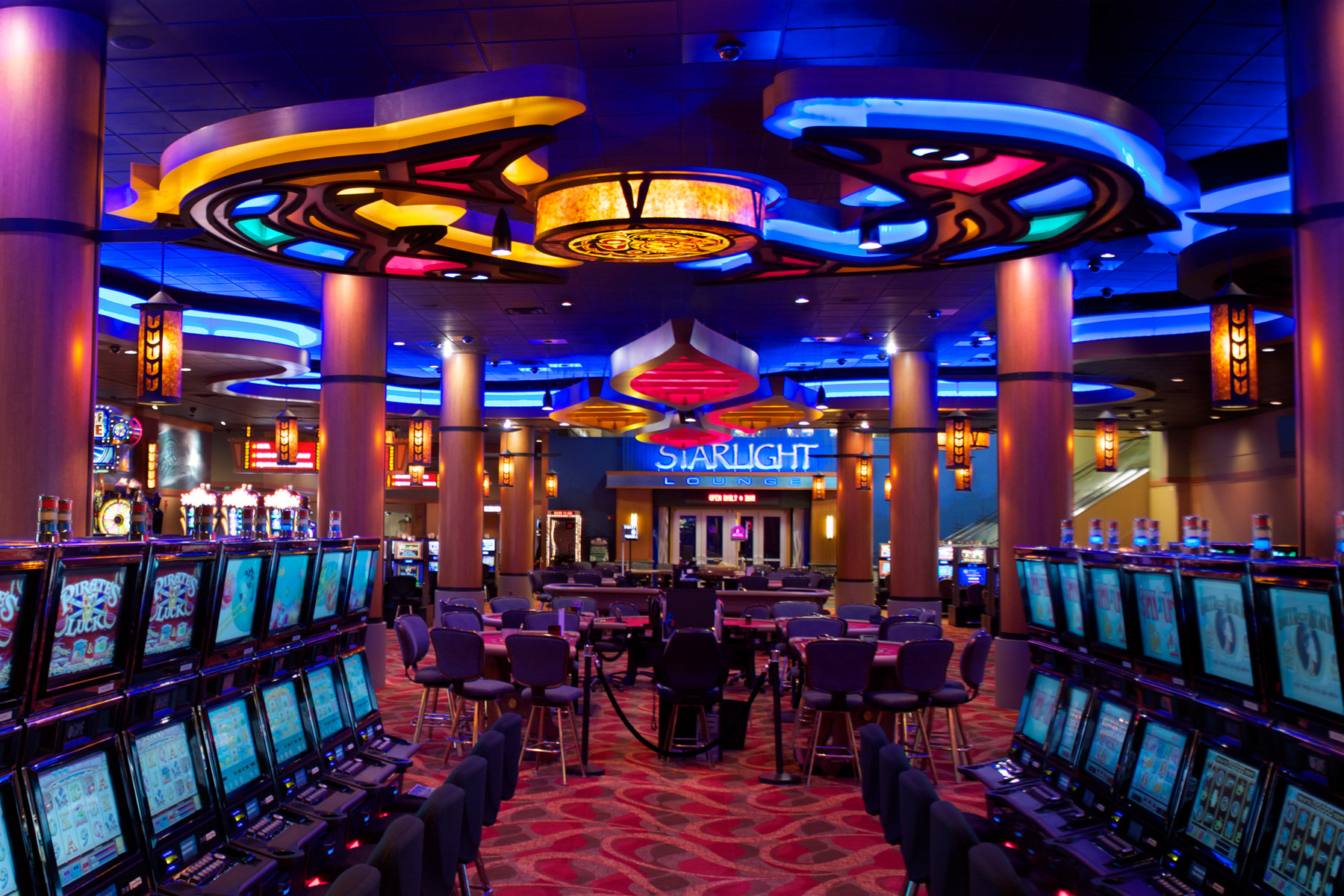
The list we have compiled features free online casinos too. We consider ourselves experts as our international team has been reviewing and testing casinos for over 20 years, playing both online and offline. The list we have compiled features free online casinos too.In addition, our guide helps you learn the rules of popular casino games you’ve always wanted to play — like Blackjack, Roulette, Craps, and Baccarat. You can also use our guide to live dealer sites or find info about UK land-based casinos.
Call for evidence responses
The white paper set out a detailed rationale for the need to reform the current 80/20 rule governing gaming machine allowances in AGCs and bingo halls. As a result, these venues will be entitled to choose between adopting any revised entitlement set down in legislation following this consultation or retaining the four Category B machine allowance for AGC premises and eight Category B machine allowance for bingo premises. The proposals outlined in this consultation to reform the 80/20 rule will again permit AGC and bingo premises to retain these legacy rights where the relevant premises licence was granted before 13 July 2011. Please upload any further evidence or any other information that should be considered as part of this consultation relating to casino measures.
Anecdotal evidence suggests that for some individuals the option of attending physical bingo premises delivers substantial social benefits which would be lost if the sector is not supported. We will use the responses to this consultation as well as wider engagement with the sector to gather data to estimate the likely change in machine configuration in bingo and arcade venues. Another key benefit is the increased GGY from Category B machines in bingo and arcade venues. The proposed measure will allow venues to remove unused Category C and D machines and save on the costs of maintaining and powering them.
The primary benefit of this measure is a reduction in energy and maintenance costs from unused machines. The Gambling Commission will conduct a future review of the gaming machine technical standards. The increase in Category B machines is expected to be even higher for Option 3, where no restrictions would be applied. All options set out in this section are expected to lead to an increase in the total number of Category B machines across bingo and arcade venues.
Although millions of people gamble safely every single day, the evidence shows that there is a significantly higher problem gambling rate for online slot games. The evidence also points to a stronger link between gambling related harm and suicide among young adults. To counter the increased risk of significant harm and life-changing losses from online slot games, the Government will introduce a £5 stake limit for adults aged 25 and over.
We are also open to any other proposals for how table gaming areas should be calculated for 1968 Act casinos which trigger their enhanced gaming machine entitlements. We propose that the table gaming area for casinos that have less than 500sqm of gambling space must be equal to or greater than half the size of the gambling area. We will also amend the current inconsistency in the regulations which requires Small 2005 Act casinos to have a table gaming area of at least 500sqm (identical to their minimum overall gambling area) by reducing this requirement to 250sqm. Option (1) would provide fairness and consistency across all casinos that are able to site 80 machines. This would ensure that regardless of the size of venue, most casinos will be able to site the same proportion of machines to tables. This would mean the introduction of a machine-to-table ratio for 1968 Act casinos that seek to increase their Category B gaming machine entitlement above 20, and a change to the machine-to-table ratio currently in place for Small 2005 Act casinos.
In the Netherlands, gambling legislation requires that all online operators pay an annual levy (which was increased in October 2021), a fixed percentage of which supports the Addiction Prevention Fund. Beside the main funding given to GambleAware, some other industry contributions under this licence condition go directly to other bodies which the Gambling Commission recognises as suitable recipients for the purposes of this licence requirement on operators. The report recommended that a review of the current fee model be carried out, including looking at the way that licence fees could be used to create financial incentives on operators to raise standards.
UKGC licence is current, the responsible-gambling tools are properly integrated, and the affordability checks kick in at the regulated thresholds without making routine play feel surveilled. UKGC licence is current, GAMSTOP is integrated, and the responsible-gambling controls are properly placed. UKGC licence is current and the responsible-gambling tools are properly integrated.

Some submissions provided evidence that only betting accounts were restricted (because of the element of skill) whereas gaming accounts were typically left unrestricted because of the statistically guaranteed return to operators. An international literature review reiterated earlier findings that their impact on levels of gambling harm is limited by low uptake but added that there is promising evidence that requiring customers to use pre-commitment tools on a mandatory basis would have a more pronounced impact on harm. We have considered the potential for a ‘tiered’ or ‘smart’ limit on stakes, which would take full advantage of the account-based nature of online gambling so that limits could be adjusted based on each individual’s risk profile. When stakes up to £100 were permitted on B2 gaming machines, research showed that problem gamblers were disproportionately placing higher stakes and used the maximum stake more frequently. We saw evidence that some online slot games currently permit stakes up to £500 per 2.5 second game cycle, which is many orders of magnitude greater than any electronic gaming product in the land-based sector.
We will amend these regulations so that gaming tables where staff are not present and the player operates or controls the gaming apparatus are also excluded for these purposes. Furthermore, the regulations stipulate that real equal chance gaming tables (e.g. poker) are not considered as gaming tables for the purposes of section 172(3) to (5) of the Act. An example of a wholly automated gaming table is an automatic roulette wheel into which the ball is inserted not by a human dealer but at regular intervals by the mechanism itself, and bets are placed at touch screen terminals. Currently, the Gambling Act 2005 (Gaming Tables in Casinos) (Definitions) Regulations 2009 provide that a wholly automated gaming table is not a “gaming table” for the purposes of s172(3) to (5) of the Act. However, in updating the regulatory framework we intend to ensure that if the preferred setup of a casino changes in future, an appropriate balance of product remains – both in terms of space and product numbers.
- No one under the age of 18 is allowed to place a bet with a licenced operator.
- For high-end casinos, rewards can take the form of personal concierge services, including dinners, hospitality and events.
- Regulation 7 ensures that there is a maximum value that players can deposit onto a machine in a single action.
- This rule is intended to ensure a balance of machines available for customer use, limiting the number of machines with higher stakes and prizes and allowing larger operators to make commercial decisions on machine availability, rather than relying on fixed limits.
It set out over 60 evidence-based proposals to respond to the risks and opportunities which have emerged since the Gambling Act 2005. A series of key proposals specifically relating to the land-based gambling sector were outlined in the white paper, including measures to adjust outdated regulatory restrictions applying to the sector. (Gambling industry professional, gambling researcher/academic, gambling treatment provider, personally harmed by gambling, affected negatively by another person’s gambling, recreational gambler, government/regulatory professional, other, prefer not to say) The government is considering raising maximum licence fees for gambling premises. If you are a local authority/ licensing board, how many premises licences were live in your licensing area in the 22/23 financial year?
The Gambling Commission’s powers and resources
Independent UK casino reviews built on real-money testing, transparent methodology, and editorial integrity. If the operator has breached its licence conditions, report them to the UKGC directly, though the Commission does not arbitrate individual disputes. If unresolved, escalate to the casino’s designated Alternative Dispute Resolution (ADR) provider, which is listed in their terms and conditions.
Equally, evidence suggests that young people and young adults are particularly prone to benchmark their own gambling against that of their peers, but often overestimate peer gambling participation. Evidence and proposals regarding age and identity verification to access and make deposits into online gambling accounts are covered in our proposals for online gambling in Chapter 1. As outlined above, the evidence we received suggests that online age verification is currently effective as long as the details of an adult are not being used fraudulently or with that adult’s permission.
The government commissioned an independent review into the regulation of BetIndex Ltd (the operator of Football Index). The product evolved to let customers buy and sell bets, with price fluctuation largely driven by consumer demand. However, it can mean that a former licensee is able to avoid a fine as a result of its failings during the period that it held a licence. The Commission has also advised that some of its powers concerning investigations could be enhanced to better protect consumers and hold operators to account.
However, we are aware of the possibility that some operators may attempt to maximise their number of Category B cabinets above and beyond that intended by the 50/50 proposal by siting tablets which are not genuinely accessible or in-fill machines in their venues. We anticipate that our proposal to allow operators to increase their number of Category B machines to 50 percent will enable operators to better meet customer demand, and in turn minimise the likelihood of ‘available for use’ guidance being subverted. The Gambling Commission has expressed concern that operators currently seek to maximise Category B machine numbers by providing Category C and D games on inaccessible small tablets or via in-fill machines. To ensure a proportionate and evidence-based balance is satisfied, we are seeking views from a range of interested stakeholders to inform the strengths and risks of each option. While the intensiveness of energy expenditure will vary by machine device type and energy efficiency, the costs to industry of maintaining these machines can be significant. Gaming machines account for a significant proportion of energy costs, a substantial number of which are sited by operators purely to meet the 80/20 rule.
This opposition was primarily from industry stakeholders, who argued that the other space requirements and the imposition of a machine to table ratio would ensure a balance between table gaming, machines and non-gambling space. For example, safer gambling functionality is now available and widely used on many gaming machines. This consultation relates to land-based gambling provided to customers in Great Britain, by operators who are consequently required to hold the appropriate licence from the Gambling Commission. The five types of licences included within this are casino premises licences, bingo premises licences, adult gaming centre premises licences, family entertainment centre premises licences, and betting premises licences. The GGY impact of this measure will depend on the take up of cashless gaming machines by operators, but also on the player protections.
Our team of legal gambling analysts developed this page as a hub for legitimate and up-to-date information regarding the legal framework of gambling in the United Kingdom. Information on the advice provided by the Gambling Commission to help inform government policy on updates to the Gambling Act 2005 along with gambling legislation in Great Britain. We also license the individuals and businesses that offer gambling and provide them with advice and guidance. There have also been a number of major reports from think tanks and Parliamentary groups which have contributed to gambling discourse over recent years. Ministers and officials from other departments have also had a number of meetings with gambling stakeholders. The advice reflects the Commission’s own insights and its reflections on responses to the government’s call for evidence which were shared with Gambling Commission officials.
Keep reading to learn how British regulators and other entities keep you safe from harm. The Department for Culture, Media and Sport (DCMS) published its gambling white paper in April 2023, which set out the government’s plans for modernising the regulation of the gambling sector. Google acts as data processor on our behalf, further information is available in Google Cloud Platform Service Specific Terms (opens in new tab) and Google’s Cloud Data Processing Addendum (opens in new tab). Further staking opportunities could be offered within the same game cycle up to the value of £3 for a total staked per game cycle of £5.Scenario CA customer aged 19 stakes £2 on an online slot game. Scenario AA customer aged 27 stakes £5 on an online slot game.
Approximately 90% of UK current accounts from retail banks now offer opt-in gambling blocks which prevent card payments to gambling companies once activated. In March 2020, it became mandatory for licensed operators to sign up to GAMSTOP, the multi-operator self-exclusion scheme. For example, the option to set a deposit limit must be available to all customers from when they first open an account or deposit funds, and increasing a deposit limit must take at least 24 hours to come into effect.
In the same period, the average number of gambling ads seen by under 16s more than halved from around 4.5 to just 2.2 per week, and the ads were predominantly for bingo and lotteries. The Gambling Commission’s social responsibility codes specify that operators should still apply the principles of the UK Advertising Codes to any content or media that falls outside of the remit of the codes. While ‘content marketing’ posts which do not directly advertise a product or service may fall outside of the ASA’s remit, they are a popular marketing strategy with which operators can drive brand engagement and loyalty. We want operators to make use of available technology to extend commitments to de-targeting children and vulnerable people and age-gating social media. In Gambling Commission’s Young People and Gambling report 2022, 44% of 11 to 16-year-olds had heard or seen adverts or promotions relating to gambling on social media, and 13% reported following a gambling account on social media.
This information is available in the casino’s terms and conditions and on the UKGC register. UKGC-licensed operators must protect player funds so that, in the event of insolvency, your balance can be returned to you. Understanding these protections helps you appreciate why playing at a UKGC-licensed casino is so important.
The Commission also took action to suspend three operator licences and revoked one licence during this period. These included more flexible regulatory powers to allow it to quickly introduce new changes when necessary, more access to player data and greater powers to tackle the black market. In particular, some industry submissions said the Commission needed to improve its transparency, evaluation of its work and how it works with the industry. Many submissions to our call for evidence agreed that the Gambling Commission has wide-ranging and sufficient powers to effect change in operator behaviour. While the requirement to contribute is mandatory as set out in the LCCP, industry has discretion over the amount and the destination as long as recipients are on a list of bodies approved by the Gambling Commission. Most sites are based in overseas jurisdictions where prosecution would be impractical; while the Commission has partnerships with overseas regulators, its main method of dealing with illegal sites currently is to undertake disruption activity via internet service providers (ISPs), platforms and payment providers.
Responses to the call for evidence also set out further background to the current gap and issues that will need to be considered in addressing it. Increasingly, technological solutions are also geared to maximising the learning from complaints data and making access to resolution and redress easier. Dispute Resolution Ombudsman, the operator of both the Rail Ombudsman and Furniture Ombudsman, provides additional data analysis to its members directly, equipping them to identify, respond to and track issues and themes in customer complaints and business practice.